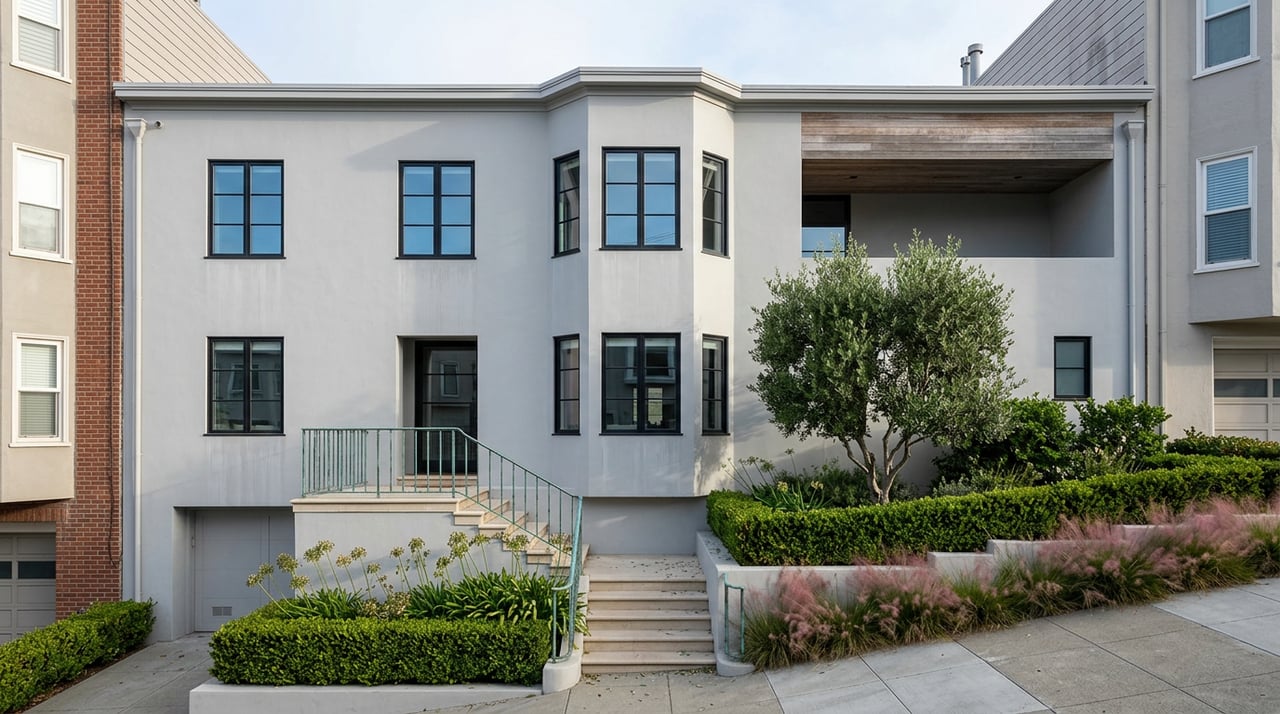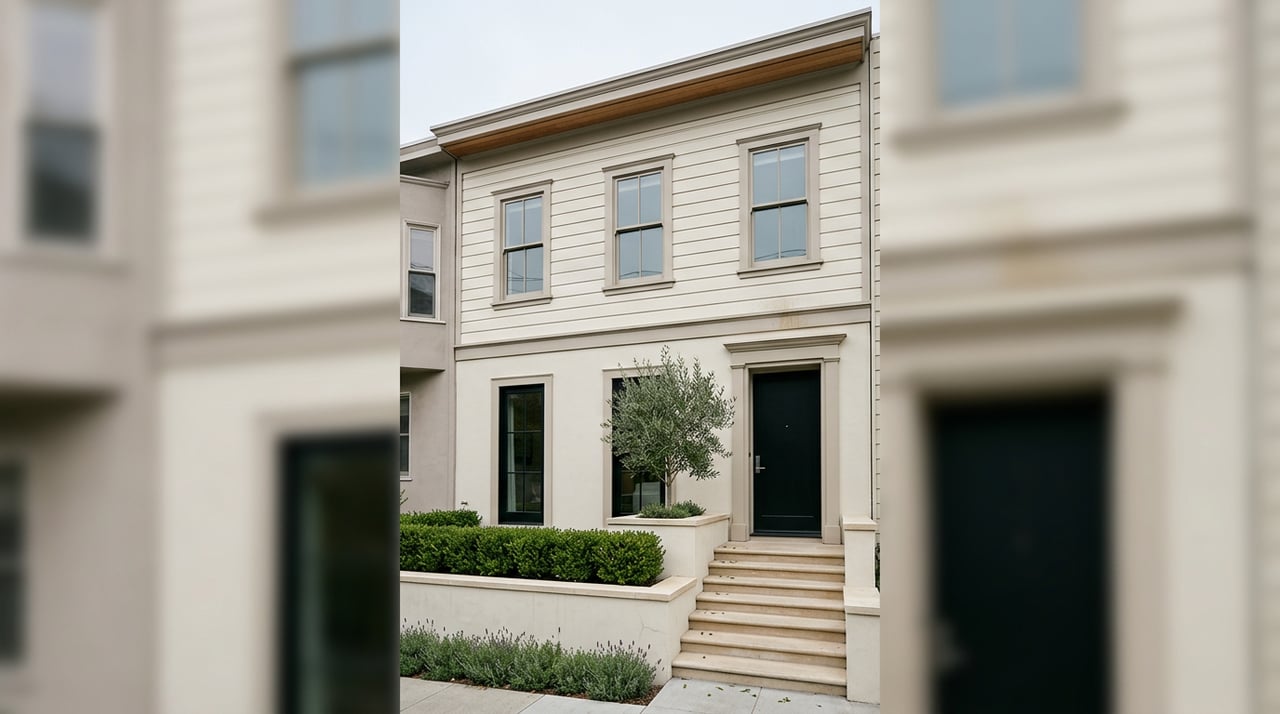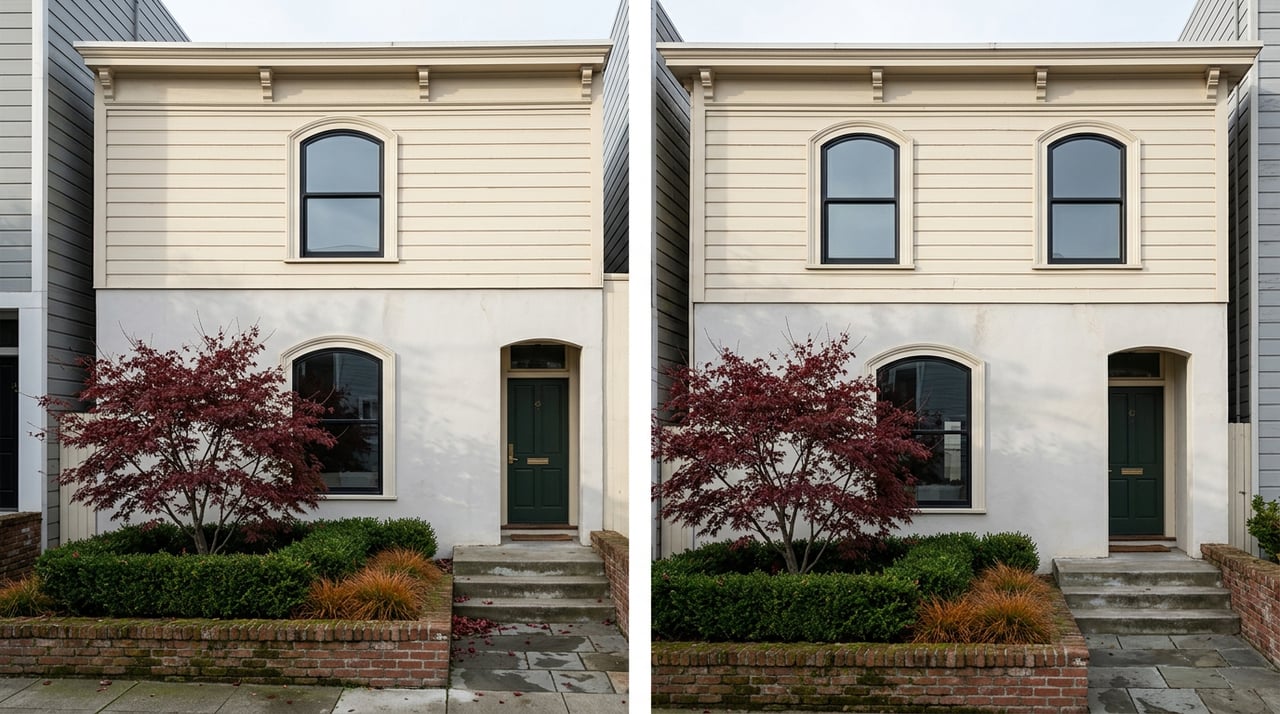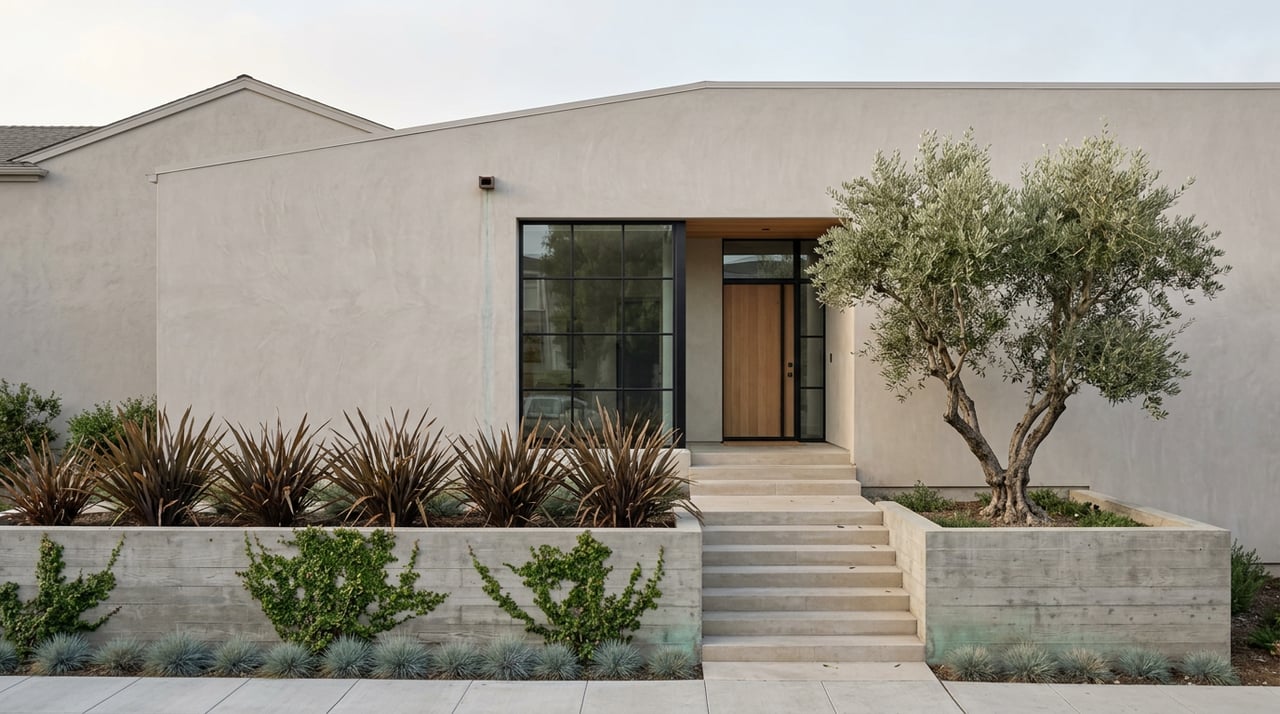
For 45 years, a house in Dolores Heights came with a quiet promise written into the planning code. Section 241 capped most buildings at 35 to 40 feet, required a rear yard equal to 45 percent of the lot's depth, and existed, in the language of the ordinance itself, to preserve "an established area with a unique character and balance of built and natural environment, with public and private view corridors and panoramas." That promise held from 1980 until January 12, 2026, when it effectively stopped applying to most of the neighborhood.
The reason it stopped is not that Dolores Heights did anything wrong. It's that the tool the neighborhood used to protect its hillside was a zoning overlay, not a historic district, and when San Francisco rewrote its rulebook to meet a state housing mandate, only historic districts got a carve-out.
What the 1980 ordinance actually locked in
The Dolores Heights Special Use District came out of a campaign led by a resident named Audrey Rodgers, who chaired the neighborhood's improvement club through the late 1970s and into the 1980s. She organized against a citywide rezoning push of that era that she believed would flatten the hill and eat into the garden space between blocks. The ordinance she helped pass survives today, and so does a memorial bench in her honor at the corner of Sanchez and 21st Streets, carved by woodworker J.B. Blunk.
What Section 241 actually did was narrow: it substituted its own height and rear-yard rules for the standard RH-1 zoning that would otherwise apply. On a typical 114-foot-deep lot, that meant roughly 51 feet of rear yard had to stay open, and height stayed capped well below what a corner apartment building would need. It was never a historic preservation designation. It carried no Certificate of Appropriateness requirement, no design review commission, none of the machinery that protects an Article 10 landmark. It was a zoning exception, full stop, and zoning exceptions turned out to be exactly what this year's citywide rezoning was built to remove.
The rule that replaced it, block by block
San Francisco was under a state deadline of January 31, 2026 to adopt a zoning plan creating capacity for tens of thousands of new homes, or risk losing state funding and, more consequentially for property owners, triggering the "builder's remedy," a mechanism that lets developers bypass local height and density rules almost entirely. The Board of Supervisors passed Mayor Daniel Lurie's Family Zoning Plan on a 7-4 vote on December 2, 2025. Lurie signed it into law ten days later, and it took effect on January 12, 2026, according to SF Planning's own project page.
For Dolores Heights specifically, the change is not uniform across the hill. It depends on which side of which street a lot sits on.
| Location in Dolores Heights | Height under the old Special Use District | Height under the Family Zoning Plan |
|---|---|---|
| West of Sanchez Street | 35 to 40 feet | 40 feet |
| Between Sanchez and Church Streets | 35 to 40 feet | 50 feet |
| Along Church Street, or on any corner lot down to 8,000 square feet | 35 to 40 feet | 65 feet |
The density cap disappeared too. Under the old rule, a project's volume was regulated but so, in practice, was the number of units a lot could hold. Under the new rule, only height and bulk are regulated. A lot that used to support one house or a duplex can now support as many units as the massing allows.
The rear yard shifted as well, though less dramatically. A property that opts into the plan's local incentive track can build roughly 20 feet further into what used to be protected open space, which on that same 114-foot lot works out to about 18 percent more of the lot's depth going to construction instead of garden. It is worth knowing that this is a two-track system: there is a "Base" height that applies automatically, and a higher "Local Program" height that an owner can access by including specific housing benefits in the project. The 65-foot figure on a corner lot is a ceiling under the Local Program, not a number every corner lot will hit by default. Anyone pricing redevelopment potential on a specific parcel needs the address-level number, not the neighborhood average.
Why the landmark district next door got a pass and Dolores Heights didn't
Buried in the plan's amendments is the detail that explains why this hit Dolores Heights harder than some other hillside neighborhoods. Supervisor Rafael Mandelman, whose district includes Dolores Heights, added a provision exempting all Article 10 local landmarks and historic districts from the rezoning. Parts of Pacific Heights, for instance, sit inside the Webster Street and Fillmore Street historic districts, which means those blocks kept their existing review process regardless of what the citywide height map says.
Dolores Heights never had that kind of designation. Its protection was always a zoning overlay, built for view corridors and rear yards rather than architectural preservation, and the amendment that shielded historic districts did nothing for it. The neighborhood's own improvement club has called the plan's arrival "the most extensive and highest-impact changes possibly in the history of San Francisco's planning code," and for a neighborhood whose entire protective structure was zoning rather than landmark status, that is not an exaggeration.
The part that isn't settled
Here is where a buyer or seller needs to slow down. The height numbers above are current law, but current law is being challenged from two directions at once, and both fights are moving through court this fall.
The first suit, filed in January 2026 by San Francisco Neighborhoods United and Small Business Forward, argues the city's environmental review under CEQA understated the plan's impact and asks a judge to pause the plan while a fuller study happens. Katherine Petrin, a co-founder of Neighborhoods United, put the objection plainly: the plan makes "sweeping, permanent changes" to how the city grows "without a serious, honest look" at what that means for residents.
The second suit runs the opposite direction. Filed in February 2026 by YIMBY Law along with the California Housing Defense Fund and Californians for Homeownership, it argues the plan doesn't create enough housing capacity to satisfy the city's own Housing Element commitments and improperly restricts state density bonus tools. YIMBY Law's executive director, Sonja Trauss, described the plan bluntly: it's "merely a new local density bonus," in her view, not the real upzoning the state deadline demanded.
According to a legal analysis published by the firm Coblentz, Patch, Duffy & Bass on September 2, 2026, both cases now have court dates on the calendar, with the pro-housing suit's first merits hearing set for November 18, 2026. If either side wins outright, a judge has the discretion to set aside or suspend the plan altogether, which would put San Francisco back in the position it was trying to avoid in January: out of compliance with state law, and exposed to builder's remedy projects that answer to almost no local zoning rule at all.
What this means if you're the one signing the contract
If you're selling a corner lot or a parcel with Church Street frontage, the honest version of your listing acknowledges both sides of this. The 65-foot ceiling is real today, and it is a legitimate selling point for a buyer thinking about redevelopment. It is also a ceiling that exists because of a law facing an active legal challenge with a hearing before the end of the year. A serious buyer's team, and certainly their lender, will want to know the litigation timeline before they underwrite a project against those numbers.
If you're buying a house for its character rather than its development potential, the relevant question changes. Ask whether the parcel sits mid-block, west of Sanchez, where the new limit is a modest 40 feet, or whether it's a corner lot or Church Street property with a much higher ceiling next door. The Special Use District used to make that distinction mostly irrelevant, since almost everything topped out around the same height. It doesn't anymore.
And if a neighbor's project is already moving through permitting, don't assume Dolores Heights' old character rules will slow it down the way they once did. The special use district that governed this exact question for 45 years no longer carries the weight it did in December.
This is the kind of parcel-level entitlement question that doesn't resolve with an automated online estimate or a walk-through. It takes reading the actual base and local program heights for a specific address, tracking where two live lawsuits stand relative to a closing date, and knowing which protections in this city come from zoning and which come from landmark status. Deason Group works through exactly this kind of complexity for clients buying, selling, or developing in San Francisco's hillside neighborhoods. If you're weighing a purchase or a listing in Dolores Heights and want a clear read on what a specific lot can and can't do right now, get in touch.
A short FAQ
Does the new height limit apply the same way to every lot in Dolores Heights? No. The Family Zoning Plan sets three different tiers depending on location: 40 feet west of Sanchez Street, 50 feet between Sanchez and Church, and up to 65 feet along Church Street or on qualifying corner lots. The higher figures also depend on whether an owner opts into the plan's Local Program track.
Could the lawsuits actually roll back these height limits? It's possible. A judge in either pending case has the authority to set aside or suspend the plan if the city loses. That would not necessarily restore the old Special Use District automatically, but it would reopen the question of what zoning applies while the city works out a new compliant plan.
Are any properties in Dolores Heights exempt from the new rules? Only if a specific building carries individual Article 10 landmark status or sits within a designated historic district, since that's the exemption the plan's amendments carved out. The Special Use District itself, which is what protected most of the neighborhood, does not qualify for that exemption because it was a zoning tool rather than a preservation designation.